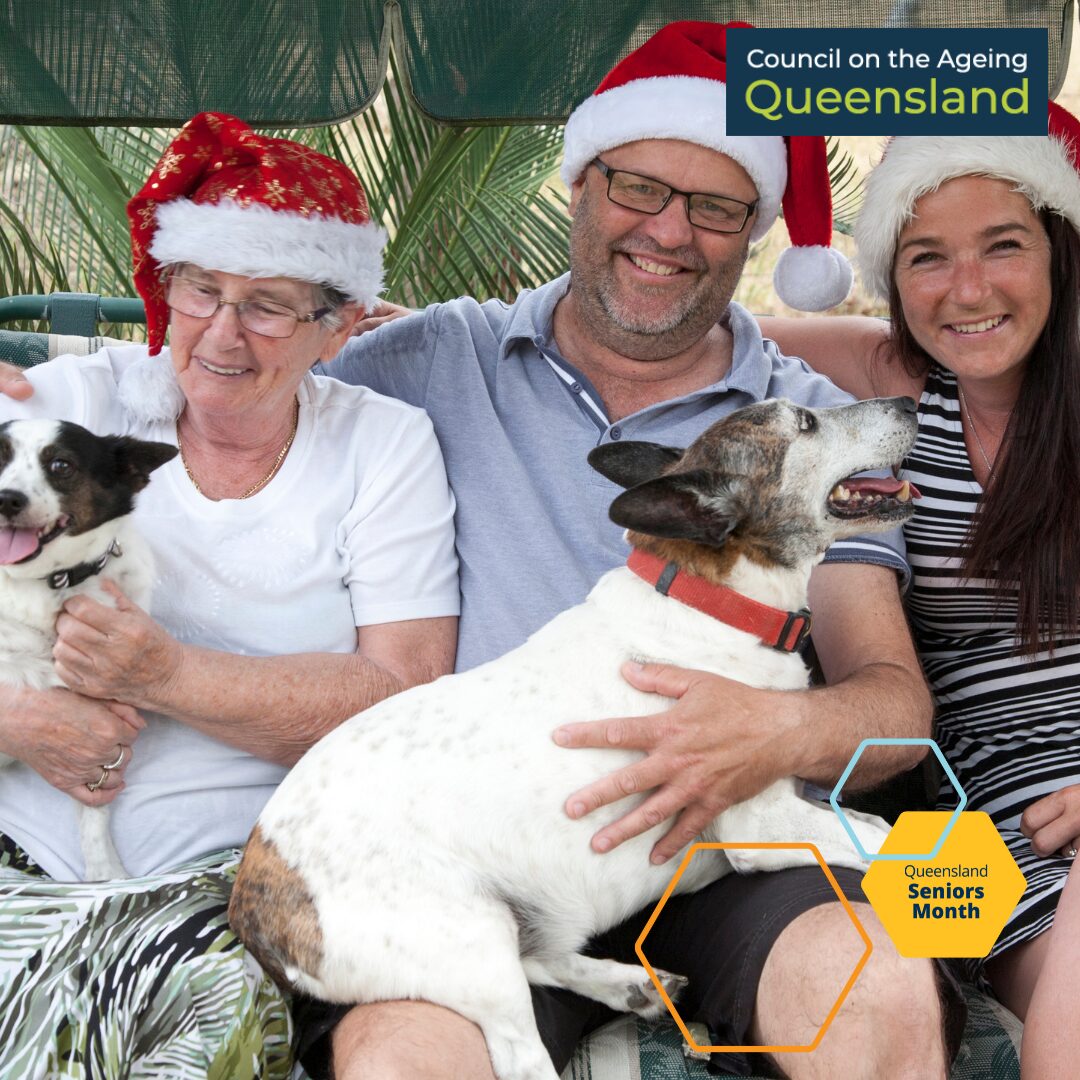
The holiday season is often described as a time of joy, celebration, and togetherness, but for many older Australians, it can also be a period of loneliness or emotional strain. As families become busier, social circles change, and mobility or health challenges increase, it may become harder to stay connected. This makes Christmas and the surrounding holiday period an especially important time to reach out, include, and support each other including older people in our lives and communities.
Connection is more than simply spending time with others; it plays a vital role in maintaining emotional, mental, and physical wellbeing. Numerous studies show that older people who remain socially engaged experience lower levels of stress, reduced risk of depression, and better overall health outcomes. During the festive season, when expectations of celebration are high, being connected can make the difference between feeling valued and feeling forgotten.
One of the most powerful benefits of connection at Christmas is the sense of belonging it fosters. Traditions, shared meals, and conversations around the table help us to feel cherished and a part of the community. Even small gestures, like a phone call, a handwritten card, or an invitation to a local event, can help a person feel seen and appreciated. For those who have lost loved ones or live far from family, these gestures carry even greater weight.
The holidays also offer an opportunity for intergenerational connections, which have been shown to boost confidence, stimulate memory, and create meaningful experiences for seniors. Children and younger adults, in turn, benefit from the wisdom, humour, and stories that older people generously share. Whether through community Christmas concerts, craft activities, carols, or shared volunteering, intergenerational moments strengthen social fabric and enrich everyone involved.
For communities and service organisations, this time of year is a reminder to keep older people at the centre of holiday planning. Many councils, libraries, neighbourhood centres, and aged care services run festive events designed to bring people together, everything from morning teas and choir performances to accessible outdoor celebrations. These gatherings reduce isolation and help older people stay active and engaged. Encouraging friends, relatives and loved ones to check local listings or helping them find transport can make participation easier and more enjoyable.
Technology also plays a valuable role, especially for those who cannot travel or who have family living interstate or overseas. Video calls, online community groups, virtual carols, and digital cards can bridge the gap when in-person connection isn’t possible. Supporting each other to use digital tools, can open the door to more frequent social contact throughout the holiday season and throughout the year.
At its heart, the holiday season is about kindness and community. Taking the time to connect with people around us, whether they are neighbours, parents, grandparents, friends, or community members, helps ensure they feel included, respected, and supported. A simple conversation or shared activity may seem small, but it can have a profound impact.
This Christmas, let’s make connection a priority. By reaching out and creating moments of warmth and togetherness, we can help everyone feel the true spirit of the season: belonging, joy, and hope.
At Council on the Ageing Queensland, our work supports the wellbeing of older people in Queensland. We are committed to advancing the rights, needs, interests, and futures of people as we age. You can learn more about Council on the Ageing Queensland at https://cotaqld.org.au
References (APA 7th Edition)
- Chen, F., & Li, X. (2011). Social participation reduces depressive symptoms among older adults: An 18-year longitudinal analysis in Taiwan. BMC Public Health, 11, 292. https://bmcpublichealth.biomedcentral.com/articles/10.1186/1471-2458-11-292
- Shiba, K., Kondo, N., Fujiwara, T., & Kawachi, I. (2025). Social participation and depressive symptoms among older adults: A nationwide cohort study in Japan. JAMA Network Open, 8(3), e2838605. https://jamanetwork.com/journals/jamanetworkopen/fullarticle/2838605
- Li, Y., Wang, Z., & Zhang, H. (2025). A systematic review and meta-analysis on association between social non-participation and depressive state among older adults. PubMed Central. https://pubmed.ncbi.nlm.nih.gov/40694150/
- Yu, R., & Vong, S. (2025). Association between social isolation and depression, and sex differences in older adults: A systematic review and meta-analysis. PubMed Central. https://pubmed.ncbi.nlm.nih.gov/40472744/
- Zhang, L., Wang, F., & Huang, Y. (2023). Social participation, psychological resilience and depression among widowed older adults in China. BMC Geriatrics, 23, 416. https://bmcgeriatr.biomedcentral.com/articles/10.1186/s12877-023-04168-7
- Liu, J., & Chen, M. (2025). The mediating effect of social networks and depressive symptoms on the relationship between older adults’ participation in volunteer activities and life satisfaction: A cross-sectional study in China. BMC Geriatrics, 25, 362. https://bmcgeriatr.biomedcentral.com/articles/10.1186/s12877-025-06362-1
- Li, H., & Sun, X. (2025). Social interaction as a vital factor in alleviating depressive symptoms among middle-aged and elderly adults: Evidence from the CHARLS. Aging Clinical and Experimental Research. https://link.springer.com/article/10.1007/s40520-025-02941-9
- Zhang, Y., & Xu, L. (2023). Impact of social activity participation on the health of the elderly: Based on propensity score matching method. Journal of Health and Behavioural Science, 8(3), 17. https://zhjbkz.ahmu.edu.cn/en/article/doi/10.16462/j.cnki.zhjbkz.2023.08.017