April is Falls Prevention Month—a timely reminder for seniors across Queensland & NSW that a simple slip at home can quickly become something much more serious. But it doesn’t have to be that way.
For many older Australians, falls don’t just cause physical injury—they shake confidence. As one clinician from AQ Health explains, some seniors experience falls as often as once a week. “That’s terrifying,” she says. “But what really stays with people is the fear. They remember exactly where and how it happened—and that memory can stop them from living fully.”
And sometimes, it’s the smallest things that make the biggest difference.
Take the story of one woman who fell at home and couldn’t get up. She had a fall alarm—but had forgotten to turn it on. Help was delayed, not because it wasn’t available, but because of a simple oversight. It’s a powerful reminder: prevention isn’t just about equipment—it’s about habits, awareness, and support.
The Slippers That Told a Story
You might remember the children’s book Grandpa’s Slippers—the well-loved tale of a grandfather who refuses to part with his worn-out, holey slippers. It’s charming, nostalgic… and surprisingly relevant.
Because those “comfortable old slippers” many of us love? They can actually increase your risk of falling.
Soft, unsupportive footwear—or walking around in socks or bare feet—reduces stability and interferes with how your brain senses the ground beneath you. The advice is simple: wear supportive, well-fitting shoes at home. It’s a small change that can make a big difference.
Are You Noticing the Warning Signs?
Falls rarely come out of nowhere. Your body often gives you clues:
- Are you starting to shuffle when you walk?
- Do you find yourself holding onto furniture to move around?
- Is it harder to stand up from a chair or the toilet without using your hands?
- Do you feel dizzy but “push through” anyway?
These are all early warning signs—and they shouldn’t be ignored.
Prevention, Not Just Reaction
Many people think of fall alarms as the solution. But as AQ Health points out, alarms are reactive—they help after a fall. The real goal is to prevent the fall from happening in the first place.
That’s where a personalised, holistic approach comes in.
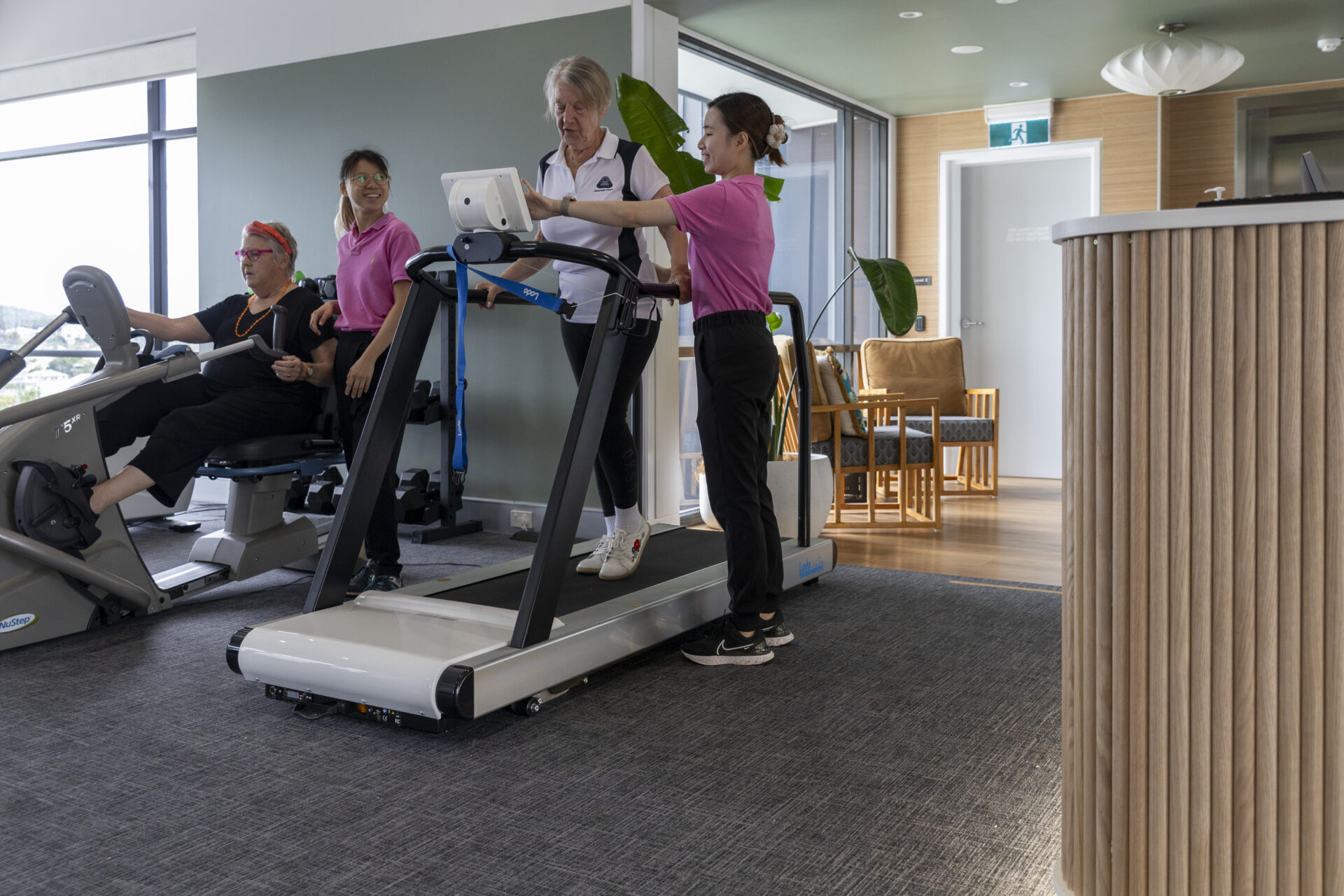
AQ Health uses a team of experts—including physiotherapists, exercise physiologists and occupational therapists—to look at the whole picture. They assess how and why you might fall, then build a plan tailored specifically to you.
That might include:
- Strength and balance exercises (especially for the core and lower body)
- Practising real-life situations safely to rebuild confidence
- Identifying hazards in your home
- Reviewing footwear and equipment use
- Supporting you after illness, surgery, or a previous fall
One powerful method they use is gently revisiting the situation where a fall occurred—like walking down a slope—but this time with support and guidance. Step by step, confidence returns.
A Simple Rule: Keep Moving
If there’s one takeaway this April, it’s this: keep moving.
Muscle strength and balance can decline quickly—sometimes in a matter of days if you stop being active. Even small, guided exercises can help maintain your independence and reduce your risk of falling.
If You Do Fall…
- Stay calm and take a moment to breathe
- Don’t rush to get up—this can lead to another fall
- Call for help if you need it
- Follow up with your GP or health professional within a few days
You’re Not Alone
Whether you’re feeling a little unsteady, recovering from a fall, or simply want peace of mind, support is available. AQ Health offers in-home and clinic-based services, working with you to understand your unique situation and help you stay safe, strong, and confident.
This April, take a moment to check in with AQHealth, to see how we can help keep you safely active.
Because staying on your feet isn’t just about balance. It’s about staying independent, active, and living life on your terms.
URL https://alzheimersonline.org/aq-health/
Phone: 1800 639 331